We built a set of agents for a national grocer to run its promotional campaigns. They did almost all of it. They set the objective, picked which customers to target, wrote the briefs, simulated redemption and margin, chose the channels and made the content. In one campaign, the simulation projected a margin uplift of about 2.2–2.3%.
At first, we let them run. Nobody owned any single step, and nobody owned the system as a whole.
On one campaign, the agent recommended four channels and built its forecast on all four. What it didn't know, and had no way of knowing, was that the company was in the middle of a negotiation with the media partner behind one of them. The campaign went out on three channels and the results came in well below forecast. Nobody caught it, because checking it wasn't anyone's job.
I don't think the agent made a bad decision with the information it had. Where we went wrong was that nobody was responsible for making sure it had the information it needed.
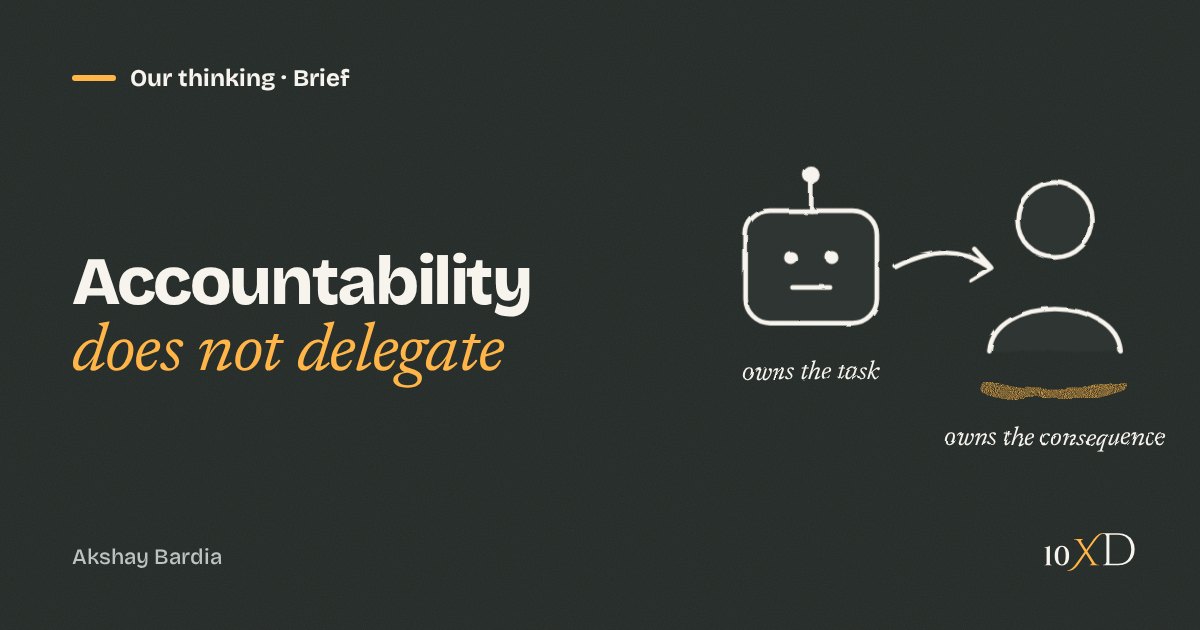
I hear more people saying agents can now be switched on and left to get on with it. In a large company, I don't think we're there yet. With earlier analytics, a person still had to act on the recommendation, so someone was always looking at it. An agent acts by itself. If no name sits against a decision, a mistake like that one reaches the customer before anyone sees it.
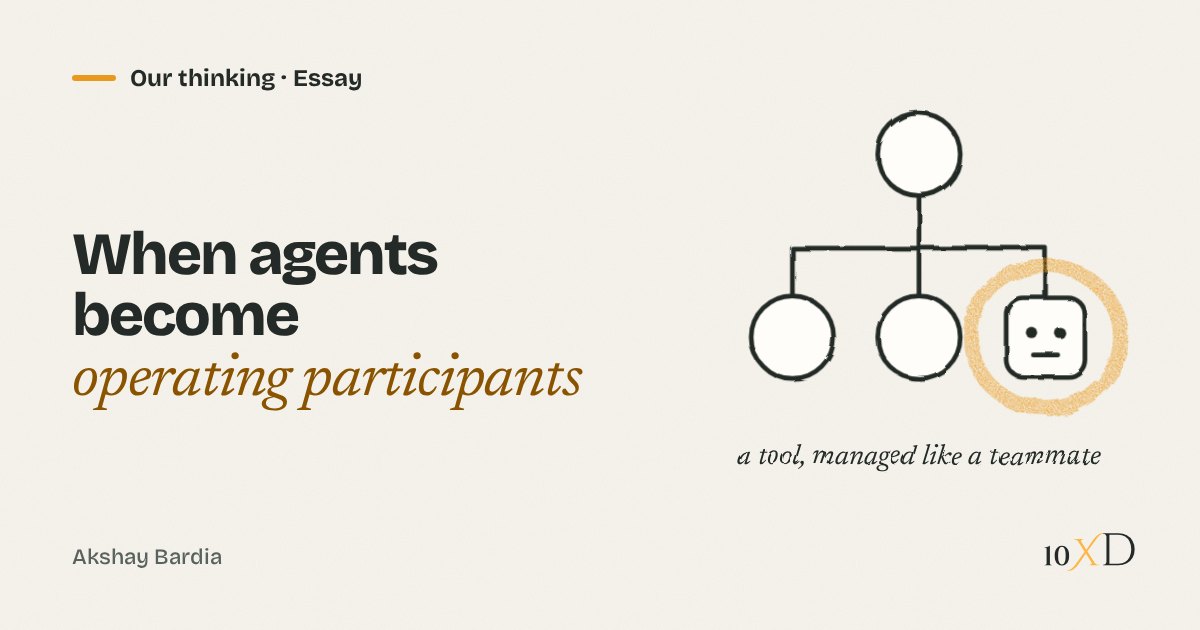
So we gave every step an owner. The campaign analytics lead signed off the target customers and answered for them if they were wrong. The head of digital marketing owned the whole system. Campaigns took longer to get out, but they performed better than anything we'd run before.
Having a person approve everything the agent does isn't the answer either. If someone has a few hundred approvals to get through in a day, they stop reading and start clicking yes.
What worked was agreeing upfront on the handful of decisions that need a person, and setting a threshold for each one. Below the threshold, the agent goes ahead. Above it, the owner of that step makes the call. As the agent keeps getting things right, the thresholds can go up and it gets more room to act on its own.
Before switching agents on, I'd want to know whose name goes against each decision that changes what customers see or what the company spends.
Written by Akshay Bardia, with AI help for research, drafting and editing. The views and experience are his.