September has been a busy month for personal AI agents. Meta launched Muse on the 8th. OpenAI launched dots yesterday at DevDay. Wajo, a much smaller company, has been getting its agent Fo into people's hands since late August. And Microsoft has had Scout, which it calls its first "Autopilot", in private preview with a select group of customers since June.
What they have in common is that they actually do things. They'll book the flight, fill in the form, chase the plumber and pay at checkout. With the holidays coming, I'd bet a lot of people's first real use of one will be cancelling a subscription they forgot about, getting a cheaper flight home, or finding the same gift for less. One early Fo user posted that it caught a free trial they'd never cancelled and saved them about $80. It's a small saving, but I suspect small wins like that are how a lot of people will start using these agents.
I fully expect people to use these more over time, not less. But if you run a large business, I think these launches are telling you something else, and it has very little to do with the agents themselves.
What Meta had to build first
Most of the coverage of Muse was about what the agent can do. The part I found more interesting was everything Meta built around it before letting it loose.
Every user gets their own isolated cloud machine for the agent to work in. If Muse wants to send an email or buy something, you approve it first. A separate component, which Meta calls Sentinel, looks at what the agent is about to do on the internet and can stop it or come back to you. When it pays, it uses a one-time card number, so the merchant never sees your card and neither does the agent. And you can review a trail of what it has done (more detail here). OpenAI's dots work on the same principle. You set the rules for what needs your sign-off, and it can log in to websites without the model ever seeing your password.
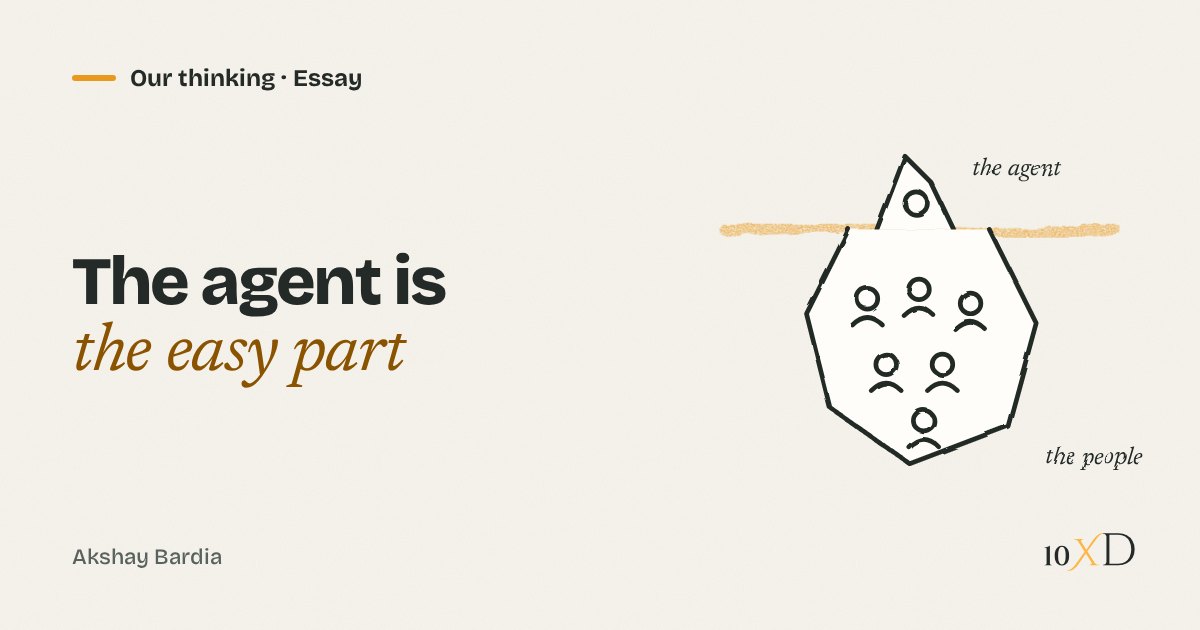
Very little of that is the AI itself. Most of it is plumbing and rules, and it's there because anyone building an agent that's genuinely useful has to make three trade-offs.
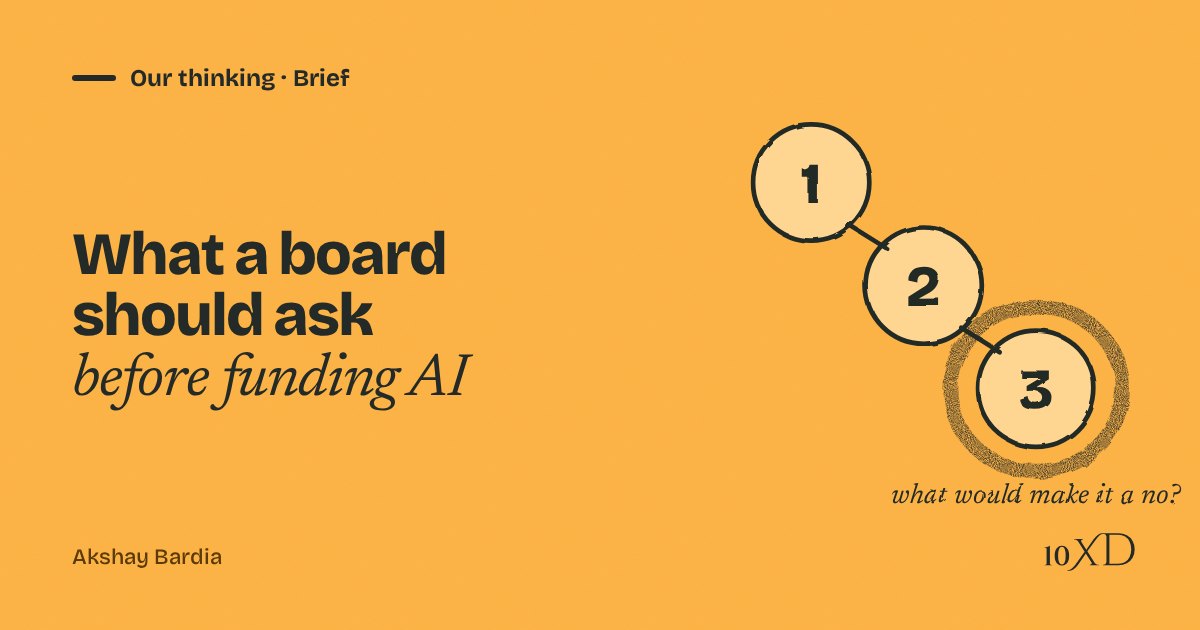
The first trade-off is between what's fixed and what's flexible, or deterministic versus non-deterministic if you prefer the technical terms. I'm happy for an agent to work out its own way of finding me a cheaper flight. I'm not happy for it to decide for itself whether it's allowed to spend my money. Some steps need to be hard rules.
Then there's the question of how much freedom to give it. If it asks permission for everything, I may as well do the job myself. If it asks for nothing, sooner or later it will do something I really didn't want. Someone has to decide where that line sits, and something has to hold it there.
The last one is context. Meta's own examples include turning a recipe you saved on Instagram into a shopping list, and remembering a friend's dietary needs before sending out dinner invitations. Both only work because it knows something about you. Without that context, it would give you the same suggestion it gives everyone else.
Meta and OpenAI had to work through all three before putting an agent in front of consumers. Every large enterprise has the same three problems, only with far more systems, far more data, and usually a regulator or two watching.
Why the agent on its own won't move the numbers
I've seen a lot of large companies get this part wrong. In a big organisation it's very tempting to focus on the agent. It's the bit you can see, it demos beautifully, and there's no shortage of vendors who'll sell you one.
Think about a buyer. The use case practically writes itself: an agent that tells them how much to order. But anyone who has done that job knows the answer depends on things the model has no way of knowing. How much stock is already sitting in the DC or on a boat. The promotion marketing has planned for next week. The fact that a competitor launched something similar last Tuesday at a lower price. If the agent doesn't know any of that, it will still give you a number, and it will sound very sure of itself. The buyer will work out it's wrong within a few orders, and then they'll stop using it.
All of that context sits outside the model. It's in your inventory and order systems, your promotions calendar and your market data, and it depends on whether those systems even agree on what a "product" or a "week" is. In other words, it's data, a semantic layer and integrations. It's unglamorous work, but in my experience it's the part that decides whether the agent is worth anything.
If you want the longer version, I wrote a white paper on agent orchestration at Unilever that goes into how these pieces fit together.
A retailer's agents that never went live
I worked with a large retailer whose innovation team wanted to build agents for personalized offers, product recommendations and customer service. It was a genuinely good idea, and early.
The trouble was underneath. The data wasn't clean, the team didn't have the data engineers to clean it, and the integrations into the customer, product and order systems weren't there. So the agents worked in a demo, but nobody was ever going to put them in front of real customers.
It stalled, and then it was quietly shelved. Looking back, I think the problem was how it was set up. It was treated as a proof of concept, something to show, rather than something that had to run in production every day. If the same energy had gone into the foundations first, I think it would have been a very different story.
Where I'd put the effort
If you asked me where to start, I'd sort the work into three buckets.
First, give the agent the context it needs. That means clean, governed data, a semantic layer so that "customer", "margin" and "stock" mean the same thing everywhere, and proper integrations into the systems where the work actually happens. It's worth noticing that when OpenAI talks about the business version, its "specialist dots", the pitch is deep integration with a company's systems of record. They know that's where the value is too.
Second, decide the rules it runs under. You need an AI control plane, your equivalent of Meta's Sentinel, that governs what each agent can see and do and when a person has to step in. You also need an AI policy that people have actually read, which is rarer than it should be. This is where you make the fixed-versus-flexible call, one workflow at a time.
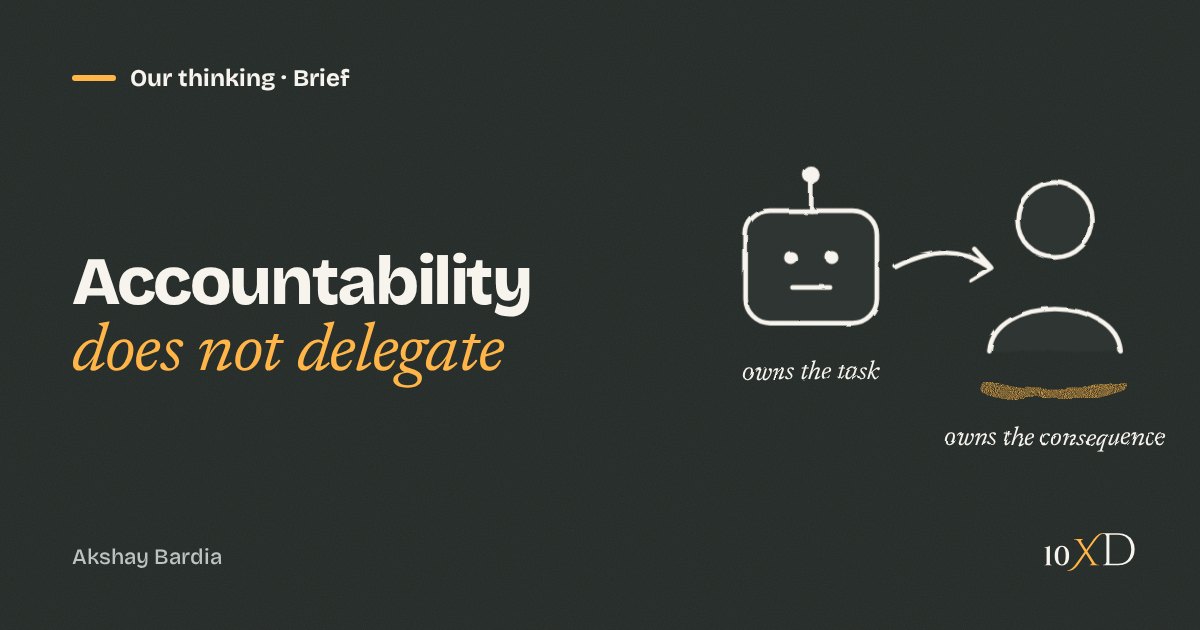
Third, look after the people who have to use it. Someone has to own an agent once it's live, so you need an operating model that says who. You need a change team that's properly set up, ideally from the start. And the business teams have to be part of it from day one, because it's the buyer, the service rep and the analyst who decide whether any of this gets used. Build AI into how they already work rather than giving them yet another tool on top. And point it at the handful of decisions worth the most money, not at everything at once.
What your customers are about to expect
This is the part I'd most want executives to think about. Your customers are going to spend the holidays with an agent that remembers what they like, compares every option in seconds and doesn't forget to cancel the free trial. In January, they'll expect that level of service from you as well. So will your employees, who will reasonably wonder why the agent on their phone can rebook a flight while the one at work can't find the latest version of a contract.
If the foundations aren't in place, a good demo won't make up for it. However impressive the pilot looks, it will eventually fall flat, and that will show up in the results.
The fix is well understood, and the work pays off more than once: what you spend on a proof of concept tends to be spent once, whereas what you spend on clean data, shared definitions, working integrations and sensible guardrails gets reused by every agent you build after that. So my advice is to build your first agent the way you'd want to build your tenth. If you do, I'd expect the second one to take weeks rather than quarters.
If you're working through this right now, I'm always happy to compare notes.
Written by Akshay Bardia, with AI help for research, drafting and editing. The views and experience are his.